Funding Independent Journalism: Sustainable Models for Community-Powered Media
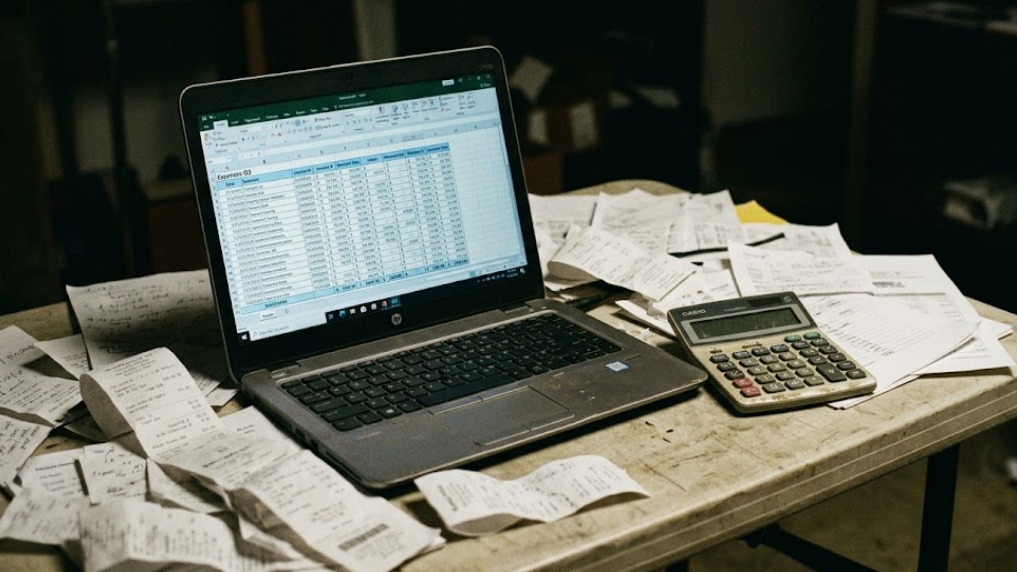
A single, properly reported feature costs us somewhere between $600 and $1,200 by the time the freelancer, the editor, and the fact-check are paid. Then we publish it for free. Then we hope.
Welcome to independent media.
Nobody tells you this part when you launch. You think the job is journalism. The job is payroll. I'm the one who opens the spreadsheet on the 28th of every month and does the quiet math on whether we clear rent on our two staff salaries. We do, usually. Some months it's closer than I'd admit at a dinner party.
So let's talk about the money. Honestly, for once.
Here's the math nobody shows you
Two full-time salaries. A freelance budget. Hosting, the CMS, the newsletter platform, accounting software, the lawyer we call twice a year. Call it roughly $185,000 to run a small shop that publishes real local reporting.
Where does that come from? Not ads. Display advertising on a site our size pays in pennies, and ever since Meta yanked news links in Canada, the social traffic that used to prop up those pennies is gone. Good riddance — that money was never ours to count on.
So who pays for free news? Somebody has to. The only question is who, and what they want back.
The grant treadmill (and why we're getting off it)
For two years we lived on grants. The Local Journalism Initiative, a couple of foundation pots, one provincial arts envelope we somehow qualified for.
I'm grateful for every dollar. I also nearly lost my mind.
A grant application is a 40-hour unpaid writing assignment with a 20% success rate. You bend your actual work to fit somebody's "priority areas." You report outcomes in language no human has ever spoken out loud. And the second the cheque clears, the clock starts on the next application, because grants end and rent doesn't.
Then there's the billionaire fantasy — some benevolent rich guy who funds good journalism because he loves democracy. Hard pass. The moment your survival hangs on one person's mood, you've already sold out. You just haven't gotten the invoice yet.
Grants can be a bridge. They're a terrible foundation.
What's actually keeping the lights on
Here's what works for us, ranked by how much I trust it.
Reader memberships first. About 1,400 people pay us between $8 and $20 a month. It's not glamorous and it's slow to build, but it's the cleanest money we take, because the only people we answer to are the readers funding us. Lose their trust, lose the cheque. That's a healthy incentive.
Micro-donations second. A "chip in $5" button under the big investigations. It surprises people how much a single sharp piece of local accountability reporting can pull in — sometimes more than the story cost to produce. Not every time. But often enough that we keep the button.
Community events third. We run two ticketed live-journalism nights a year — panels, Q&As, a bar tab. They're a headache to organize, they make real money, and more than that, they remind people we're human beings in their town, not a logo and a paywall.
The mix matters more than any single line. No revenue stream should ever be big enough to own us.
So, the honest scoreboard: roughly 60% reader-funded now, and climbing. The goal is 80%. The day we hit it is the day no foundation, platform, or rich guy gets a vote in what we cover.
That's the whole game. Not getting rich. Staying free.
If you read us, you already know which button I'm about to point at. I won't insult you by pretending the pitch isn't a pitch. Independent journalism costs money. You're either part of who pays for it, or you're quietly counting on someone else to.
We'd rather it be you.