Ethical Journalism in the Age of AI: Challenges and Opportunities for Writers of Colour
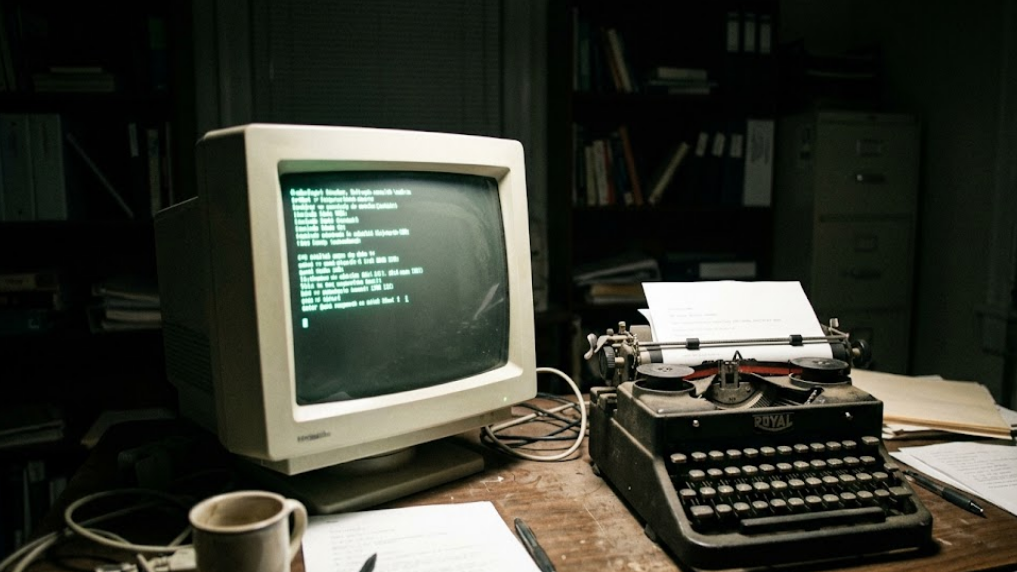
The first time an editor told me a tool could "draft the basics" of a community story in nine seconds, I felt two things at once. Relief. And a small, cold dread.
The dread hasn't gone away. It's the tension every reporter is sitting in right now — the pull of speed parked right next to the cost of getting things wrong about people who already get written about carelessly. For those of us covering our own communities, that cost isn't abstract. It's our cousins, our neighbours, our names.
So here's the reality. The machines are already in the room. The only real question is who gets to decide how they're used, and who gets erased when nobody's watching.
Whose stories trained the machine?
Generative tools don't invent knowledge. They remix what they've been fed. And what have they been fed about Black, Indigenous, and racialized communities? A lot of it comes from decades of coverage that treated us as a problem to be explained rather than people to be heard.
Ask yourself this: when a model "summarizes" a neighbourhood it mostly learned about through crime blotters and crisis funding announcements, what does it think that neighbourhood is?
The output sounds confident. Clean. Neutral, even. That's the trap. A flat, authoritative tone can launder old bias into something that reads like objective fact, and a rushed editor on a thin budget may never catch it. The quiet danger isn't a robot writing something obviously racist. It's a robot writing something plausibly wrong, fast enough that nobody questions it.
We in the newsroom have spent years fighting to correct lazy framing. Now the framing can regenerate itself on demand, at scale, in our own bylines if we're not careful.
The opportunity nobody is going to hand us
I'm not here to tell you to smash the printing press. Independent and grassroots outlets — the ones that have always run on grit and not much else — actually stand to gain something here, if we move with intention.
Think about it this way. The grunt work that eats our days can be offloaded. Transcribing a three-hour community meeting. Sorting a messy freedom-of-information dump. Translating a press release so a story reaches elders who don't read in English. Drafting a rough first scaffold so the reporter spends her energy on the part a machine can't do — knocking on the door, earning the trust, sitting with the silence after a hard question.
For under-resourced writers of colour, that's not a luxury. That's the difference between covering a story and missing it entirely. The big legacy shops have always had more researchers, more lawyers, more time. Used deliberately, these tools can shrink that gap.
But notice the word: deliberately. Nobody is going to hand this advantage to us neatly. The same platforms optimizing for cheap content will happily flood search results with hollow, AI-spun articles that bury the real reporting underneath. If we want the tools to serve our communities, we have to wrestle them into that role ourselves.
Drawing a line we can defend
The ethics part can't be an afterthought. It has to be the spine.
A few principles are holding up well in the newsrooms I trust. Keep a human accountable for every published word — a name, a real person who can be called to answer for it. Be honest with readers about where a tool helped and where it didn't. And never, ever let a model speak for a community in that community's place. Summarizing is not the same as listening.
That last one matters most for us. Our credibility was hard-won and is easily spent. Readers stay with grassroots media because they believe a person who understands them is on the other side of the page. Trade that trust for a few seconds of efficiency and we've sold the only thing we actually own.
The technology is going to keep getting faster. Our job is to make sure it doesn't get faster than our judgment. Speed was never what made our work matter. Care was. The newsrooms that remember that — that treat these tools as something to direct rather than obey — are the ones our communities will still be reading ten years from now.