Beyond the Headlines: How Modern Media Can Better Cover Grassroots Activism
The cop in riot gear lunges. A kid in a bandana throws something. The flash pops, and by morning that single frame is the entire story.
I was twenty feet from that exact scene last spring. I can tell you what the wire photographer cropped out: the forty people sitting behind him on overturned milk crates, passing a thermos and a clipboard of legal-aid numbers down the line.
Click. The cop. Click. The kid. Click. The thermos. Guess which two ran above the fold.
I've been pointing a lens at movements for ten years. Long enough to know the camera is never neutral. It chooses. And most of the time, it chooses wrong.
What the Camera Decides to Forget
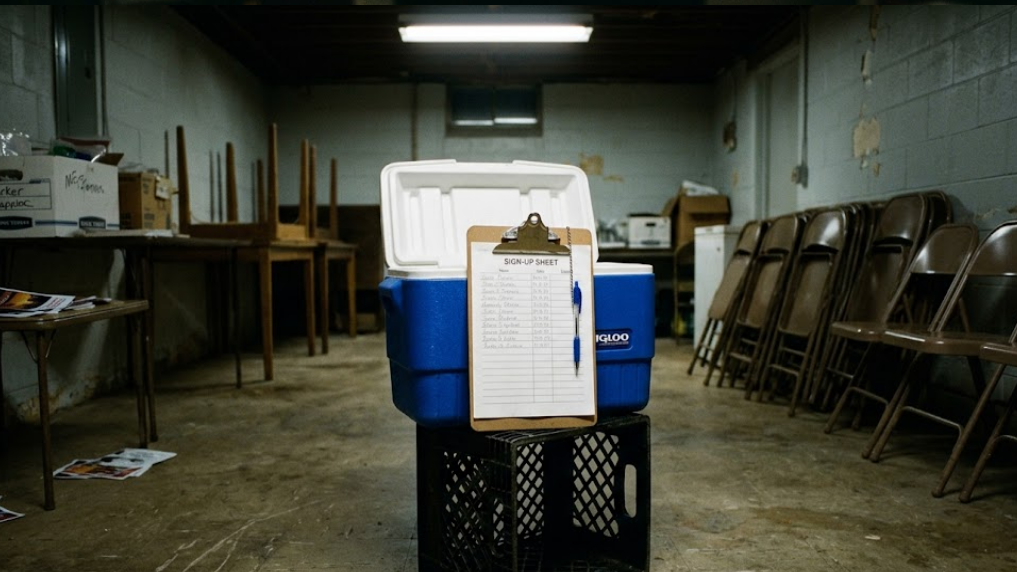
Here's what mainstream coverage misses, almost on purpose. A protest is maybe four percent confrontation. The other ninety-six is logistics. It's a woman in a church basement at 6 a.m. cutting cantaloupe into a cooler. It's three organizers arguing over a Google Sheet because the porta-potty vendor flaked again.
That's the movement. The cantaloupe is the movement.
But cantaloupe doesn't trend. So the long lenses sit idling, waiting for the one window to break so they can finally justify the gas money. We call it protest porn in my circles, and the name fits. All climax, no relationship.
Who decided the burning car was the headline and the phone tree was the footnote? Not the organizers. Not the neighbourhood. An editor in a building forty floors up, chasing a number on a dashboard.
Zoom out for a second. When you only shoot the chaos, you teach the public that these people are chaos. Strip out the strategy, the patience, the unglamorous human labour, and you hand the audience a cartoon. A scary one.
The Weight of the Lens
There's a thing they don't teach you in journalism school: raising a camera is an act of power.
I've stood in front of undocumented folks, survivors, teenagers whose faces could get them fired, deported, or worse. Every single time I lift the camera, I'm making a decision about their safety that they never fully agreed to.
So I lower it. A lot. More than my editors would like.
The best frame I never took was a young mother weeping at a vigil. Beautiful light, raw emotion, the kind of shot that wins things. I left it. She wasn't a symbol. She was a person having the worst night of her life.
That restraint never makes the highlight reel. But it's the whole job. The real question isn't "is this a powerful image." It's "who pays for it after I file and drive home?"
So What Do We Actually Do
Stop parachuting in for the riot and bailing before the cleanup. Show up at the boring meeting. Photograph the spreadsheet, the snack table, the same five stubborn people who do this every Tuesday whether anyone's watching or not.
Hire photographers from the communities you cover. Somebody who already knows the auntie running the kitchen will catch a frame I never could, because she trusts them and clocks me as a stranger in three seconds flat.
And slow down. A movement isn't an event. It's a decade of unphotogenic persistence punctuated by the rare moment the cameras finally bother to notice.
I've seen it a hundred times. The story rolls in, extracts its spectacle, and vanishes. The cantaloupe woman is still there the next morning, cooler restocked, clipboard ready.
She's the one who deserves the frame. We just have to be patient enough — and humble enough — to wait for her instead of the fire.
Put the long lens down. Walk into the basement. That's where the real picture is.